Choosing a Solar Company in Islamabad: 2026 Homeowner’s Guide
Islamabad has a climate most of Pakistan would envy for solar: clear Potohar skies, cool winters, and long sunny spells broken only by the monsoon. Yet many capital residents still hesitate, unsure how to separate a genuine engineering firm from a quick-sale vendor. Picking the right solar company in Islamabad is the decision that determines whether your roof pays you back for 25 years or becomes a source of regret.
This guide takes a local lens. We will cover how the capital’s weather shapes system design, what net metering with IESCO really involves, and the specific questions that reveal whether an installer knows Islamabad’s terrain and sectors.
What Makes Islamabad Different for Solar?
Generic solar advice assumes a flat, hot plain. Islamabad is neither uniformly flat nor relentlessly hot. Its elevation, tree cover, and hilly margins change how a system should be designed sector by sector.
Seasons and sun angle
Winter sun sits lower, so tilt and orientation matter more here than in Karachi. A well-designed array squeezes strong output even in December, while a lazy flat-mount loses precious winter units exactly when heating loads rise.
Trees, hills, and shading
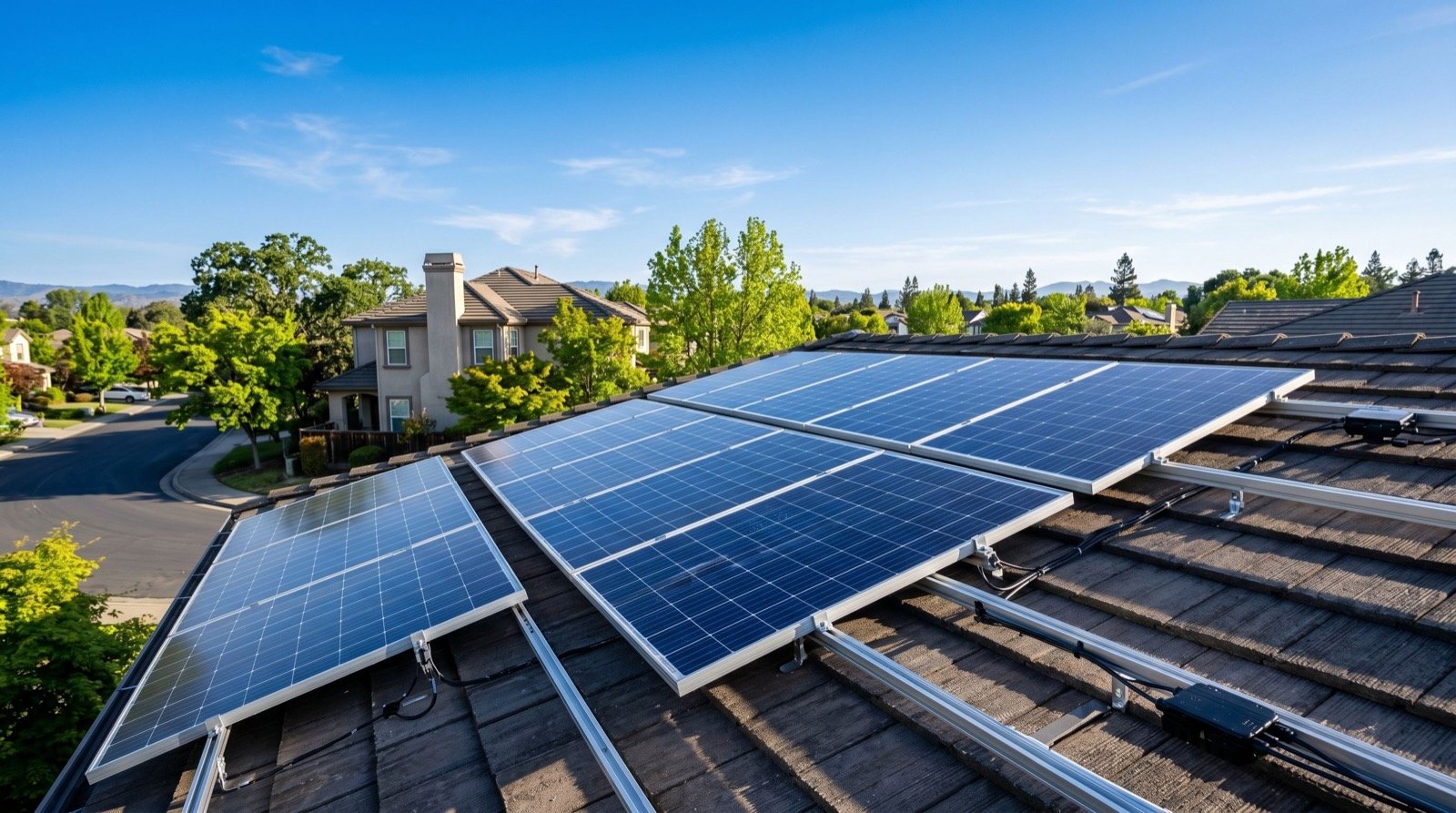
Leafy sectors like F-7 and F-8 are beautiful but shaded. A capable installer runs a proper shadow study rather than assuming your whole roof is clear. Mini-shading on one panel can drag down an entire string without optimisers.
How Do You Vet a Solar Company in Islamabad?
The capital has no shortage of signboards promising cheap systems. Vetting is about evidence, not slogans. Work through the points below before you trust anyone with your roof.
- Local portfolio: installed systems you can actually verify in Islamabad sectors.
- In-house engineers: design and commissioning handled by qualified staff.
- Transparent quotes: itemised hardware, not a single lump sum.
- Net-metering experience: a track record of approvals with IESCO.
- Genuine warranties: paperwork you can claim against, not verbal promises.
- After-sales presence: a team that answers the phone in year three.
For the actual rollout, insist on a firm whose solar installation services include design, permits, and commissioning under one roof. Splitting responsibility across three vendors is how blame-games and orphaned warranties begin.
Net Metering in the Capital: What to Expect
Net metering lets you export surplus daytime generation to the grid and draw it back later, effectively using the grid as a credit account. In Islamabad this runs through IESCO, and the national framework is set by NEPRA.
The approval sequence is predictable when handled by experienced hands:
- Load assessment and system sizing against your sanctioned load.
- Agreement and application submitted to IESCO with required documents.
- Technical inspection of the installed system and meter.
- Bidirectional meter installation and net-metering activation.
- First net bill reflecting exported units as credits.
A seasoned installer manages this paperwork for you. If a company glazes over when you ask about IESCO timelines, treat it as a warning sign.
Sizing and Cost: A Quick Reference
Costs move with the market, but the relationship between system size, household use, and roof space stays stable. The table gives a realistic 2026 planning snapshot for capital homes.
| Home Type | Suggested Size | Monthly Units Offset | Roof Space |
|---|---|---|---|
| Small (5 marla) | 3–5 kW | 400–700 | 250–350 sq ft |
| Medium (10 marla) | 6–8 kW | 800–1,100 | 400–550 sq ft |
| Large (1 kanal) | 10–15 kW | 1,400–2,000 | 700–1,000 sq ft |
Treat these as a starting point. Your real figure depends on appliance load, how much you run during the day, and whether you plan to add batteries for load-shedding resilience.
A practical local tip
In the capital’s dusty pre-monsoon weeks, a quick rooftop rinse every few weeks noticeably lifts output. One capital homeowner we worked with recovered nearly a tenth of lost summer generation simply by scheduling regular cleaning, a reminder that small habits protect big investments.
If managing all of this yourself sounds daunting, lean on reputable service experts who handle design, approvals, and upkeep as a single package.
Common Mistakes Capital Homeowners Make
After years of watching installations across the twin cities, the same avoidable errors keep surfacing. Knowing them in advance saves money and frustration.
Oversizing the wrong way
Some buyers install a huge array to “future-proof” but never adjust their daytime habits, so most surplus is exported at low credit value. Matching system size to genuine consumption, then shifting heavy loads like washing and ironing to daylight hours, delivers far better returns than brute-force capacity.
Ignoring the mounting structure
The capital’s windy ridges demand properly engineered, wind-rated mounting. Flimsy frames that look fine on a calm day can lift or flex in a Margalla gust, loosening connections over time. This is one area where saving a few thousand rupees is never worth it.
Treating maintenance as optional
Panels are low-maintenance, not no-maintenance. Pollen in spring, dust before the monsoon, and the occasional bird mess all chip away at output. A light rinse and an annual electrical check keep the system near its rated performance.
Weigh these habits against the quick-win advantages of capital living below:
- Cooler climate keeps panels efficient, since extreme heat actually lowers output.
- Clear winter days deliver strong generation when many regions turn hazy.
- Stable net-metering demand makes IESCO approvals a well-trodden path.
- Organised sectors simplify roof access and professional servicing.
Frequently Asked Questions
How do I know if a solar company in Islamabad is trustworthy?
Ask for verifiable local installations, confirm in-house engineers, and read the warranty terms. A trustworthy firm welcomes site visits and explains net metering clearly instead of rushing the sale.
Does solar work well through Islamabad’s monsoon?
Output dips on heavily overcast days, but the capital’s many clear days more than compensate across the year. Grid-tied net metering smooths the seasonal swings by banking summer surplus against cloudier spells.
How long does net metering approval take in Islamabad?
With complete paperwork, approval through IESCO commonly takes a few weeks to a couple of months. An experienced installer who prepares documents correctly is the single biggest factor in avoiding delays.
Should I add batteries or stick to grid-tied solar?
If uninterrupted power during load-shedding matters, a hybrid system with batteries is worth the premium. If your priority is pure bill savings, a grid-tied net-metered system usually offers faster payback.
Conclusion: Invest Locally, Verify Everything
The capital’s sunshine is generous, but your returns still hinge on the partner you choose. The best solar company in Islamabad will know your sector’s shading quirks, manage IESCO net metering without drama, and still answer your call years after commissioning.
Shortlist on evidence, insist on itemised quotes, and never skip the shadow study. Ready to turn Islamabad sunshine into lower bills? Request a local site survey and a transparent, itemised proposal before you commit to any system in 2026.